Rhetorical Reading Response "Learning to Read and Write"
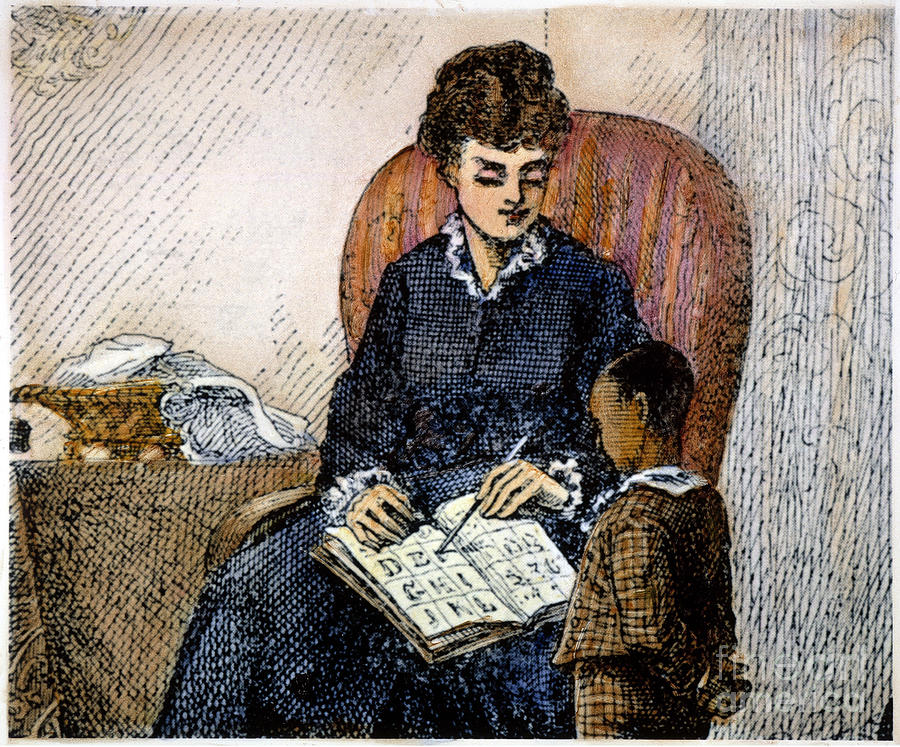
In the excerpt “Learning to Read and Write” by Fredrick Douglas, from his Autobiography "Narrative of the Life of Frederick Douglass" (1845) he explores how he learned to read and write despite all that was against him during his time as a slave. Douglas talks about actual events that happened throughout his life that taught him how to read and write. His purpose was to show how cruel slaves were treated by denying them education in order to convince people to go against slavery. His audience was that of white slave owners who he hoped that one day would understand the cruelty of slavery and change their way of thinking.
I am delighted by this text and the inspiration it brings. Although I do not know what it exactly felt like to be a slave and trying to attain education, I often imagine. I believe that slaves should not have been denied their will to read or write, but even with it being denied Douglass still found ways to learn.
The text indicates how Fredrick Douglass learned to read and write. It was not an easy journey for him, he often had to sneak because a slave learning to read could be dangerous. Often times when he was sent on errands he took a book with him and quickly finished his errand so he had time to read. He stated "The more I read, the more I was led to abhor and detest my enslavers". He also stated that "As I writhed under it, I would at times feel that learning to read had been a curse rather than a blessing". That "it had given me a view of my wretched condition, without the remedy". "It opened my eyes to the horrible pit, but to no latter upon which to get out". The idea as to how he might learn to write was given to him by being in Durgin and Bailey's ship-yard. After frequently seeing the ship carpenters write on the timber, which part of the ship the timber was intended. He soon learned the name of them and meet other boys who could write and told them he could write as well. Which ended up giving him lessons which he would not have gotten any other way. 'During this time, my copy-book was the board fence, brick wall, and pavement; my pen and ink was a lump of chalk". "With these, I learned mainly how to write". "I continued copying the Italics in Webster's spelling book, until I could make them all without looking on the book". "By this time, my little Master Thomas had gone to school, and learned how to write, and had written over a number of copy-books". On Monday afternoons his mistress would go to class meetings and leave him in charge of the house. When that happened he would write in Master Thomas's copy book- he then continued to do that for a while."Thus, after a long, tedious effort for years, I finally succeeded in learning how to write".


Comments
Post a Comment